

/ News, Research
Prof. Burcu Tepekule awarded over 4 million to establish the Pediatric Disease Modeling Lab
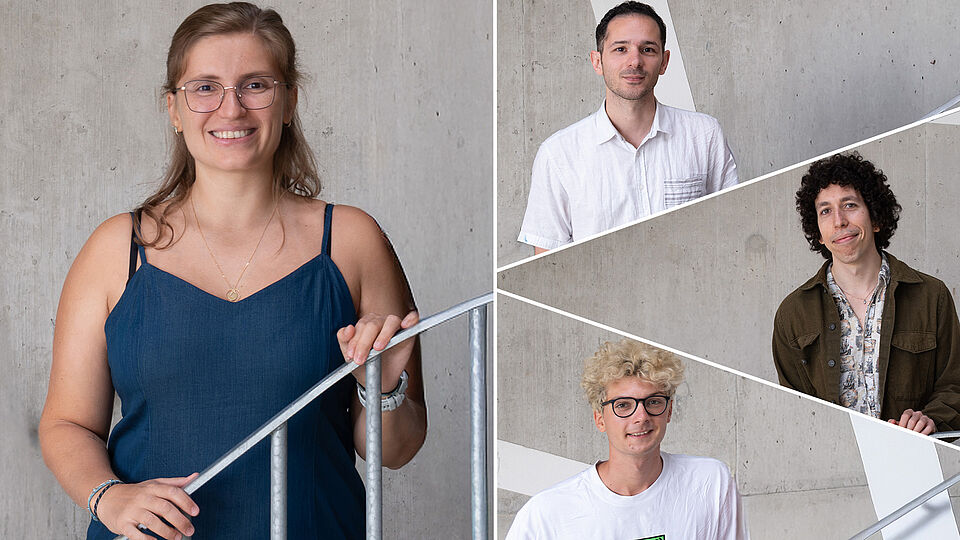
With more than CHF 4 million in funding over five years from ERC and SNSF Starting Grants, Prof. Burcu Tepekule is establishing the Pediatric Disease Modeling Lab to investigate how interactions between the gut microbiome and the immune system in early childhood influence long-term health. She is the BRCCH Assistant Professor in Pediatric Infectious and Emerging Diseases Modeling at the University of Basel.
Her research builds on a background in biology and a longstanding interest in the development of the intestinal immune system. During her postdoctoral research in ecology and evolutionary biology at Princeton University, Burcu studied how the gut and immune system develop in early life. She completed her doctorate in theoretical biology at ETH Zurich in 2019, where she received the ETH Medal for outstanding contributions.
Her new research addresses a fundamental question in early-life health: why do some infants recover from disruptions to the gut microbiome, while others develop lasting health problems?
The resilience paradox
Early disruptions to the gut microbiome can influence immune development and long-term health. Yet most infants exposed to antibiotics, infections, or dietary changes continue to thrive. Why some disruptions lead to chronic disease while others have no lasting effects remains poorly understood.
The RESILIENT project will establish a quantitative framework to study how the gut microbiome and immune system develop together in infants. It aims to identify when, in whom, and through which pathways disruptions can have lasting effects.
The researchers will model how the microbiome, gut barrier, and immune system change over time. They will compare infants exposed to disruptions such as antibiotics or infections with infants who have similar backgrounds but were not exposed. This novel matching approach will help identify critical periods when disruptions have the greatest and most lasting effects.
The team will also investigate whether factors around birth, such as mode of delivery, gestational age, or colostrum intake, leave a lasting biological imprint that affects how infants respond to later disruptions.
A more proactive approach to pediatric care
The model will allow the researchers to explore potential interventions, including optimising antibiotic use, developing targeted probiotics to support gut health, and refining feeding practices.
Ultimately, the project aims to identify infants at risk of long-term health problems before these effects become difficult to reverse. In the longer term, its findings could contribute to a more proactive approach to pediatric care, helping address risks before they develop into lasting health problems.
>More about the Pediatric Desease Modeling Lab