
Biological Calorimetry
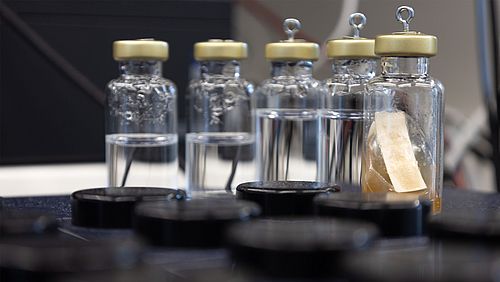
Living organisms produce heat, and measuring temperature changes is one of the oldest medical methods. Today, calorimetry greatly improves this approach by detecting extremely small heat changes, giving detailed insight into metabolic processes in cells and bacteria.
Calorimetry can track these processes over time, showing when they start, develop, and end. Combined with other techniques, it allows real-time study of molecular activity. This makes it useful for testing drugs, implant materials, and antimicrobial effects, and for detecting infections at very early stages.
Our main Research Area:
- Rapid detection of contamination in products like blood, food, and water
- Fast drug susceptibility testing for personalized treatments
- Testing antimicrobial properties of implant coatings and other materials
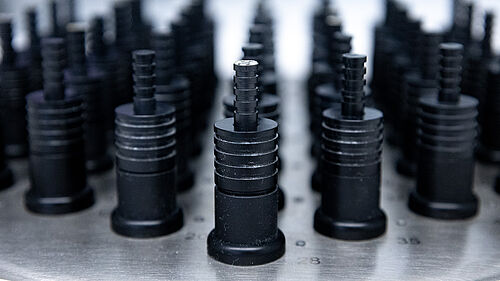
The lab also aims to miniaturize calorimeters and combine them with other non-invasive technologies.
Founded in 2003, the Biological Calorimetry Lab collaborates with academic and industry partners worldwide and is recognized for its contributions to the field.
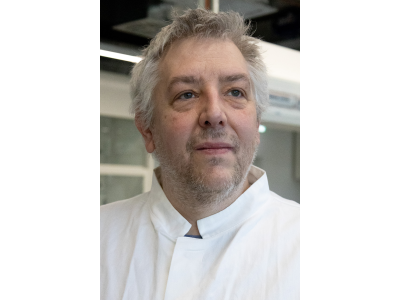
Dr Olivier Braissant
Head of Biological Calorimetry
Gewerbestrasse 14
4123 Allschwil
Switzerland