

Pediatric Disease Modeling Lab
The first years of life represent a critical time window for immune development. During this period, the microbiome and the immune system engage in a dynamic crosstalk that shapes long-term health trajectories. Disruptions to this process — through infections, antibiotics, malnutrition, or other environmental factors — can have lasting consequences, from increased susceptibility to infectious diseases to heightened risk of allergies, autoimmune conditions, and metabolic disorders. Despite growing recognition of these links, we still lack quantitative frameworks that describe how early microbial exposures translate into immune-mediated outcomes, and how these relationships vary across populations with different environmental contexts. Understanding how ‘immune education’ is governed by the full spectrum of microbial interactions —from symbiotic commensals to pathogens — opens the door to interventions that could reduce the burden of such conditions.
Our goal at the Pediatric Disease Modelling Lab is to develop mathematical and computational approaches to link early-life exposures to long-term health outcomes. Our methods include mechanistic models to capture within- and between-host dynamics, causal inference methods to move beyond correlational analyses, and statistical tools to extract meaningful signals from complex longitudinal data. We work closely with clinical collaborators who provide access to pediatric cohort data from diverse settings worldwide.
The Pediatric Disease Modelling Lab is led by Prof. Dr. Burcu Tepekule and is part of the Department of Biomedical Engineering at the University of Basel and the Botnar Research Centre for Child Health (BRCCH).
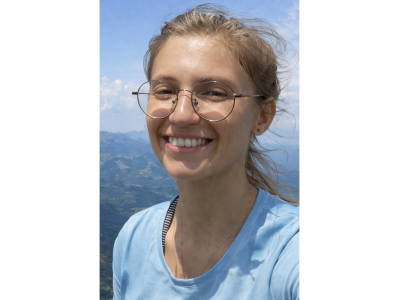
Prof. Burcu Tepekule
Head of Pediatric Disease Modeling Lab
Hegenheimermattweg 167B
4123 Allschwil, Switzerland